

ABOUT ERIC
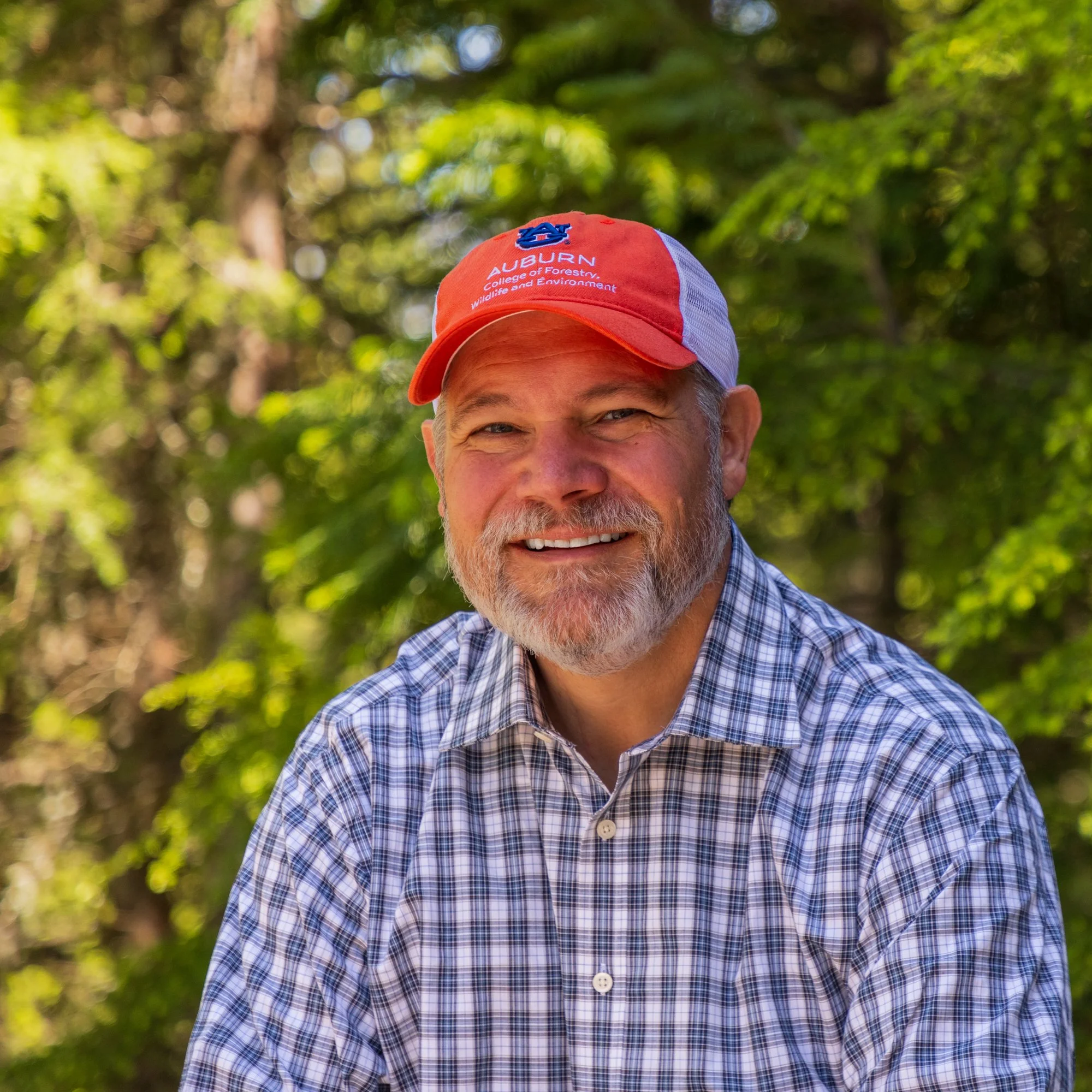
Eric Gee has spent years photographing the wild places of Louisiana, Florida, Alabama, Alaska, and the winter landscapes of Yellowstone. With over two decades of experience as a forester and naturalist, he brings a deep understanding of the natural world to every shot. He earned a degree in Forest Resources from Auburn University in 1994, with a focus on wildlife, and has spent years studying and working in diverse environments, from dense forests to expansive wetlands. That expertise lets him capture images that are not only visually stunning but scientifically informed and deeply respectful of the ecosystems they depict. It also gives him patience. He knows how to wait for a system to reveal itself.
Eric sees each scene he photographs as something given to him, not something he found. A moment placed there for him to witness. That belief shapes everything about how he shoots. He is not chasing the perfect frame. He is watching for the moment a bird chooses its mate, a bear teaches her cub, or two woodpeckers fight for the same cavity. The story between subjects matters more to him than the subjects alone.
Nowhere is that story more raw than in Yellowstone in winter. Sub-zero cold. Deep snow. Predators and prey locked in a daily contest for survival. Eric returns to that landscape because it strips everything down to the essentials. There is no room for anything but instinct and endurance. Photographing it means standing in the same cold, waiting through the same silence, until something breaks: a chase, a kill, a herd holding its ground. Those images carry the weight of what it actually costs to survive there.
The emotional connection to his work isn't always the same. Sometimes it's instantaneous. He knows in the moment, camera still raised, that what he just captured is spectacular. Other times the feeling takes longer to surface. He'll return to an image days or weeks later and the scene develops again in his mind: what he saw, what he felt standing there, and a growing sense of gratitude for having been given the reveal at all. That delayed recognition is where the introspective and spiritual side of his work lives. It's less about the shutter click and more about sitting with what he was shown.
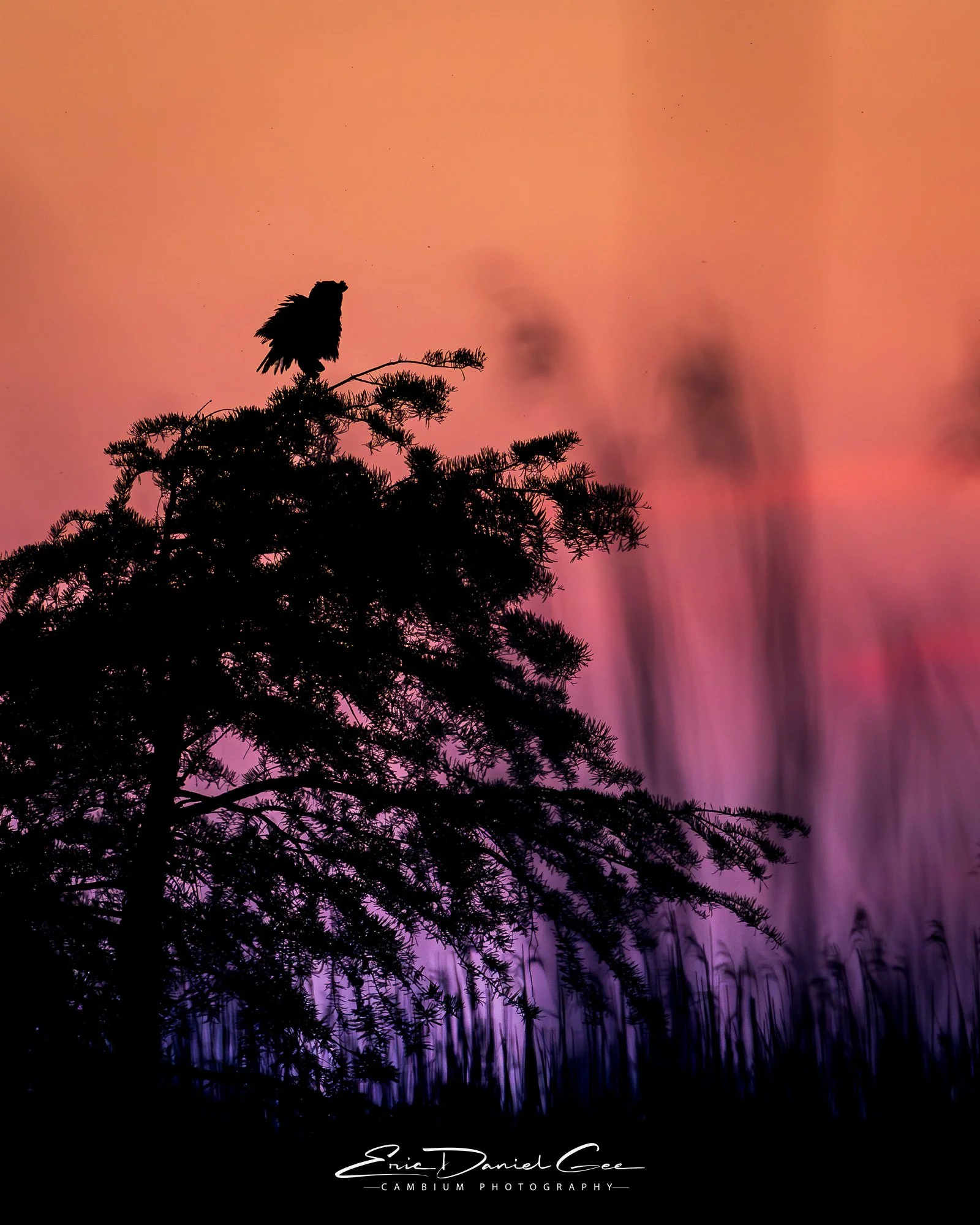
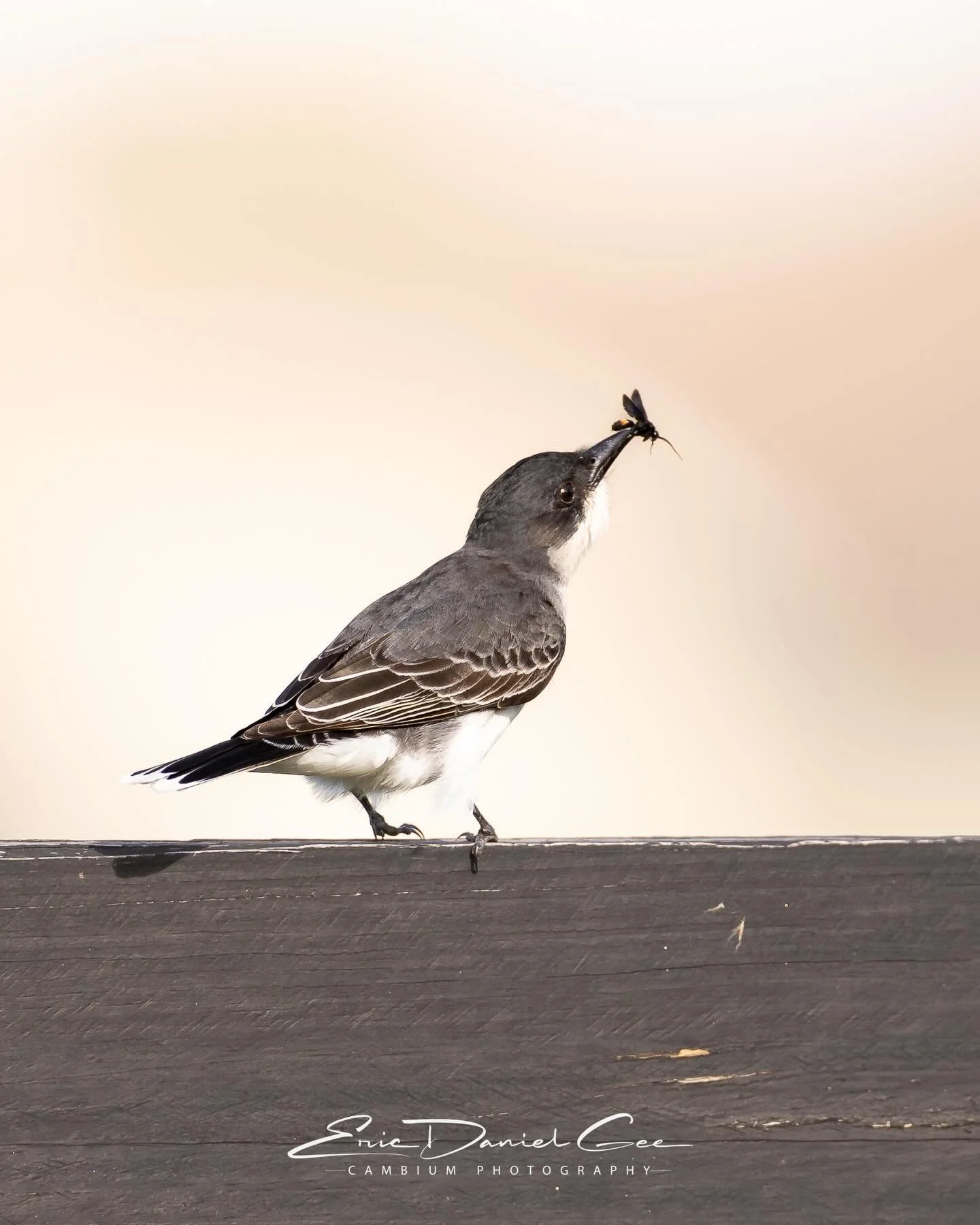
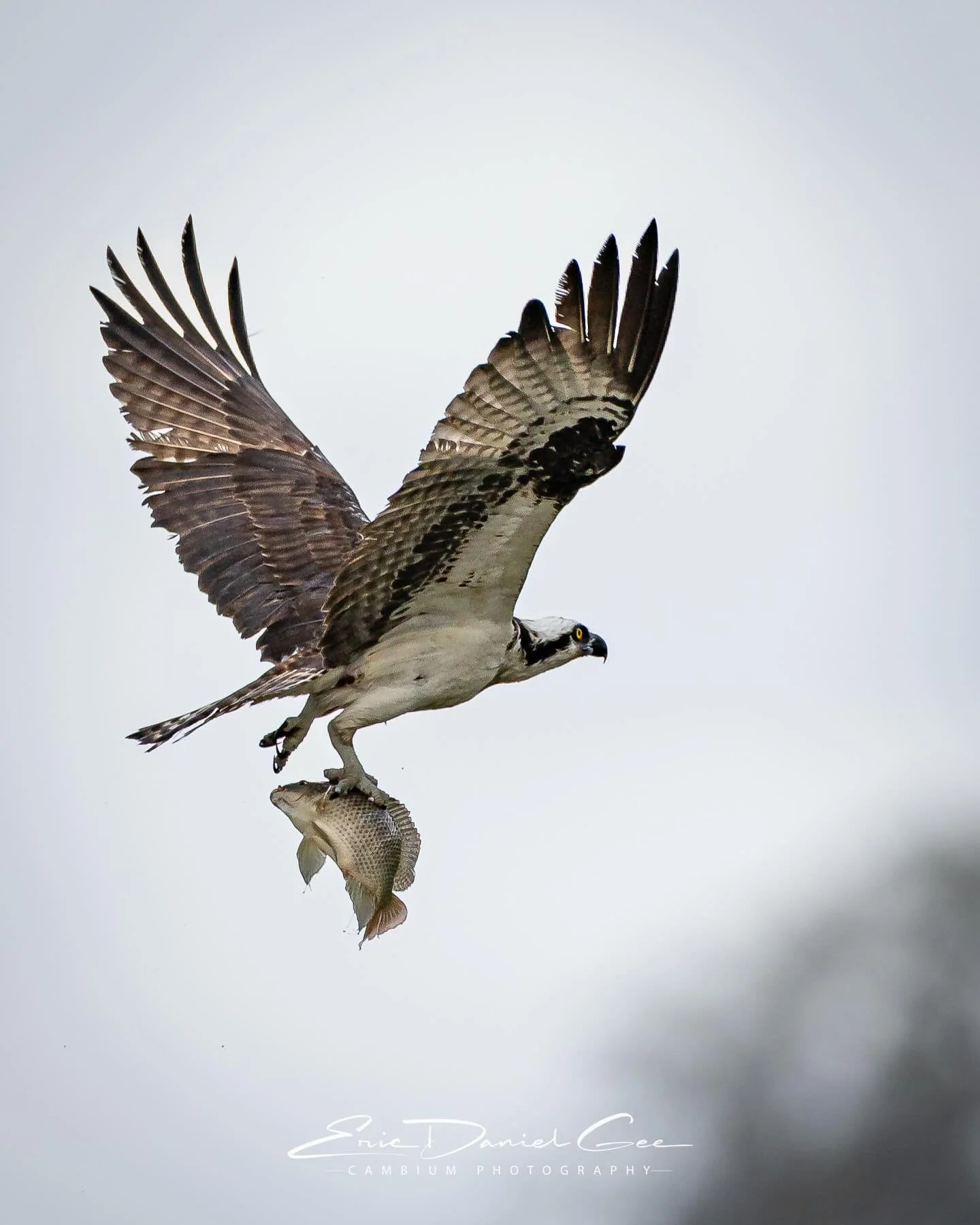
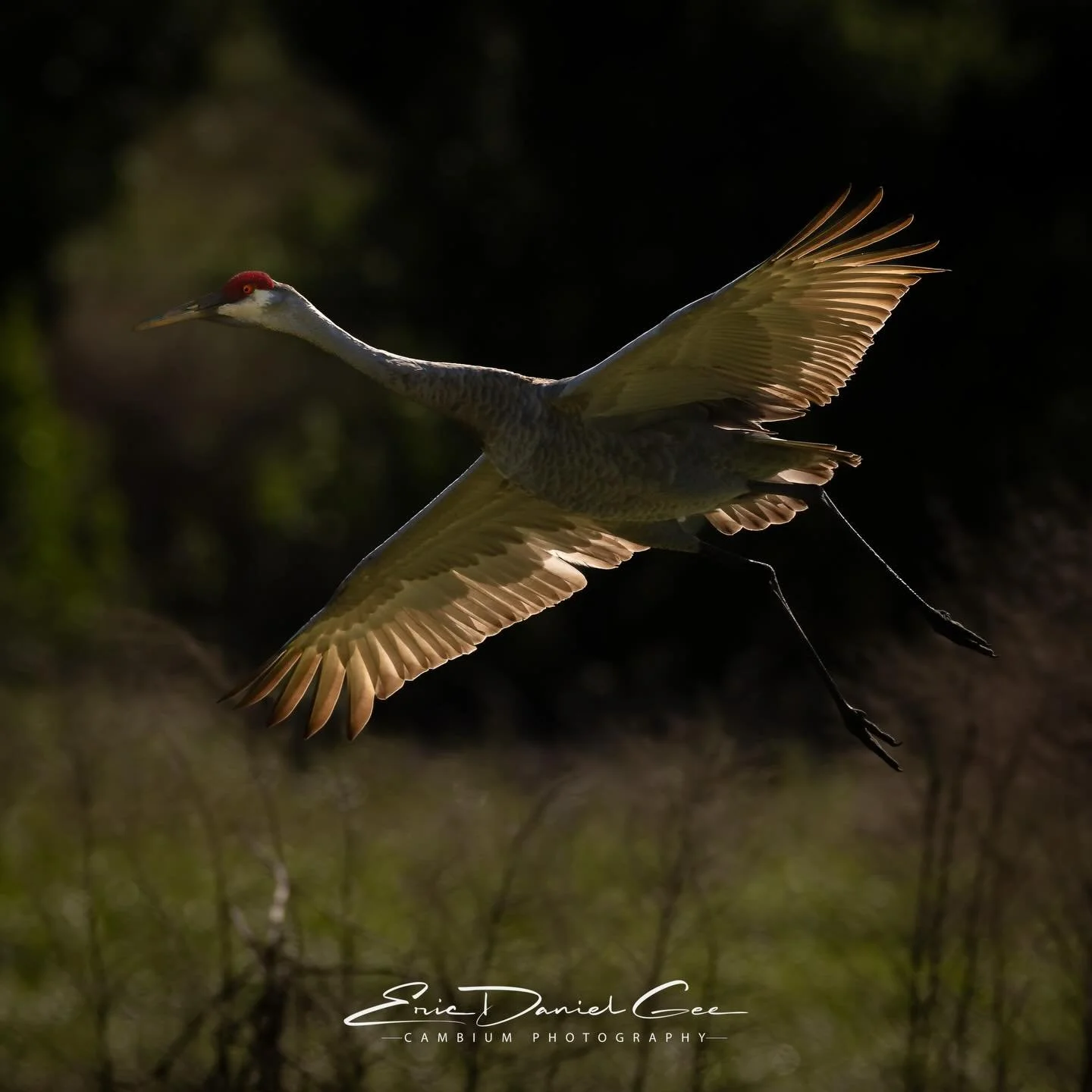
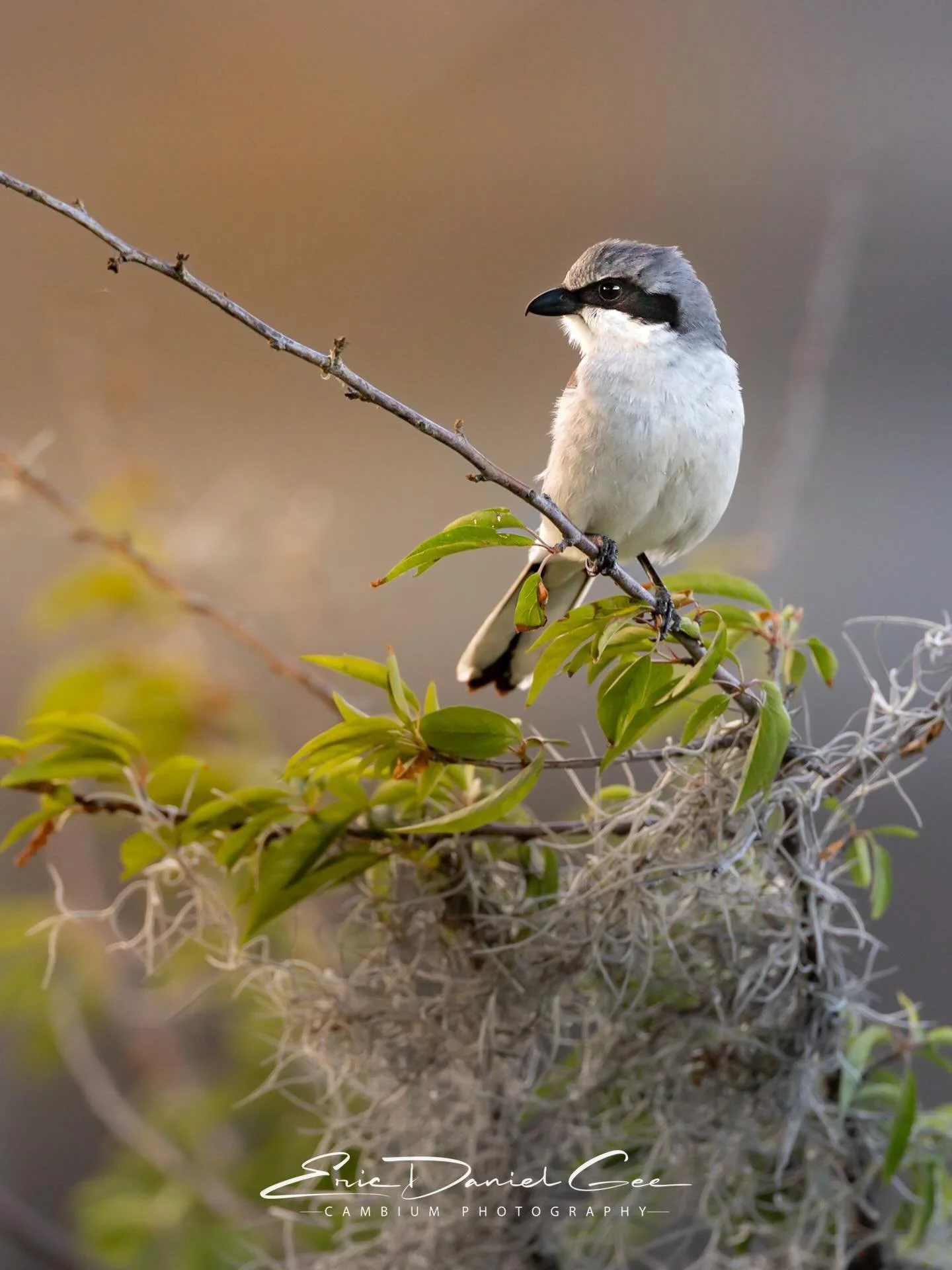
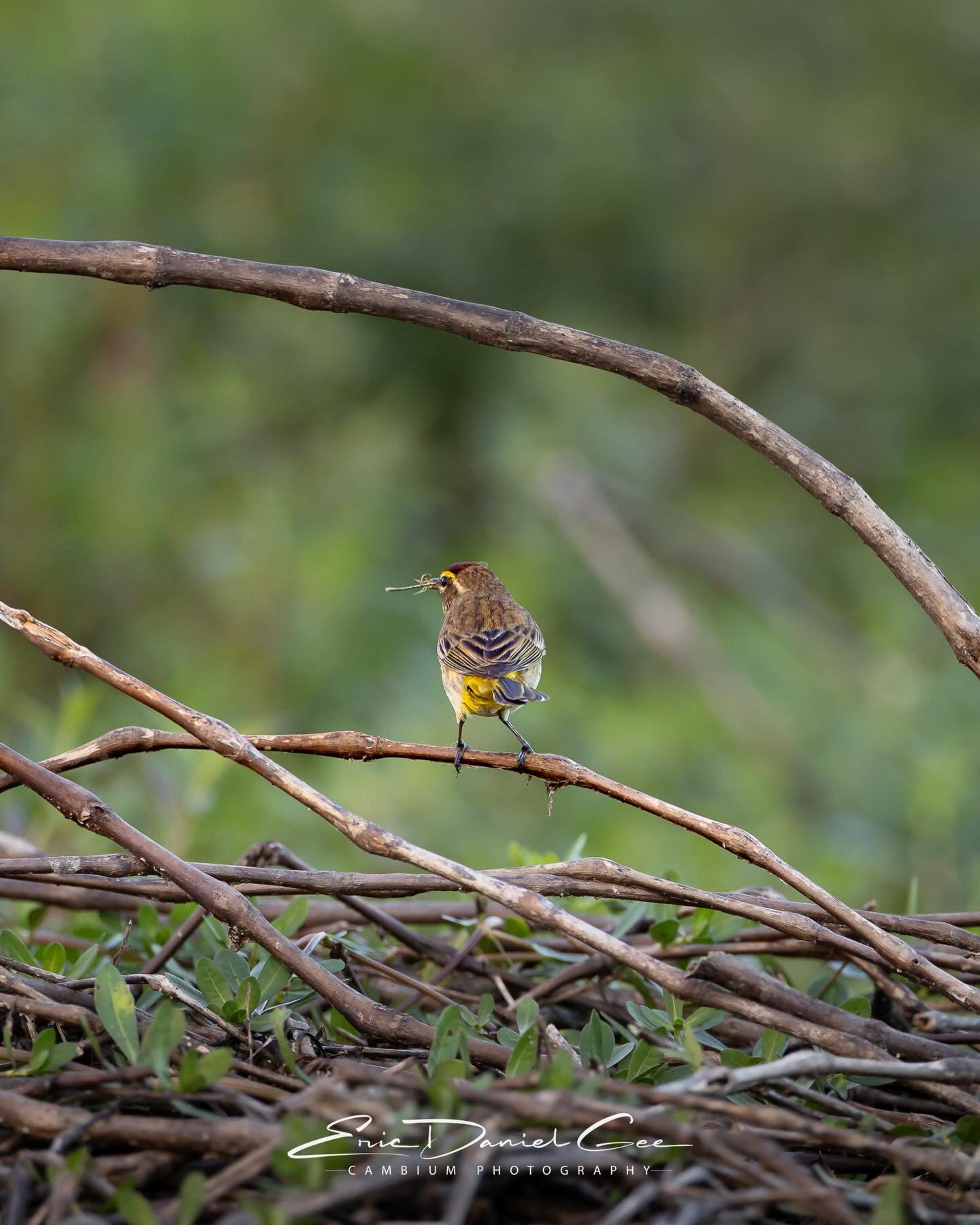
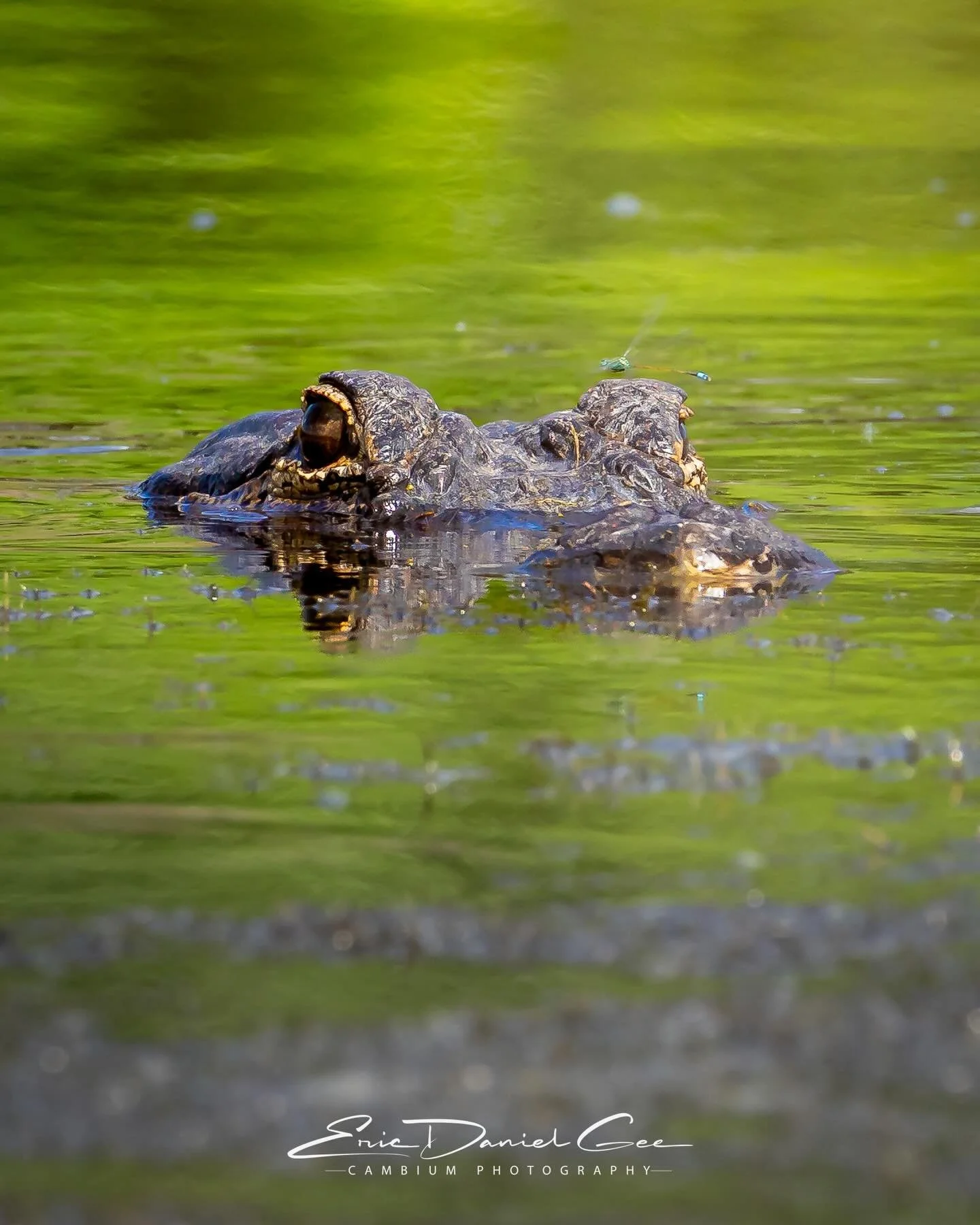
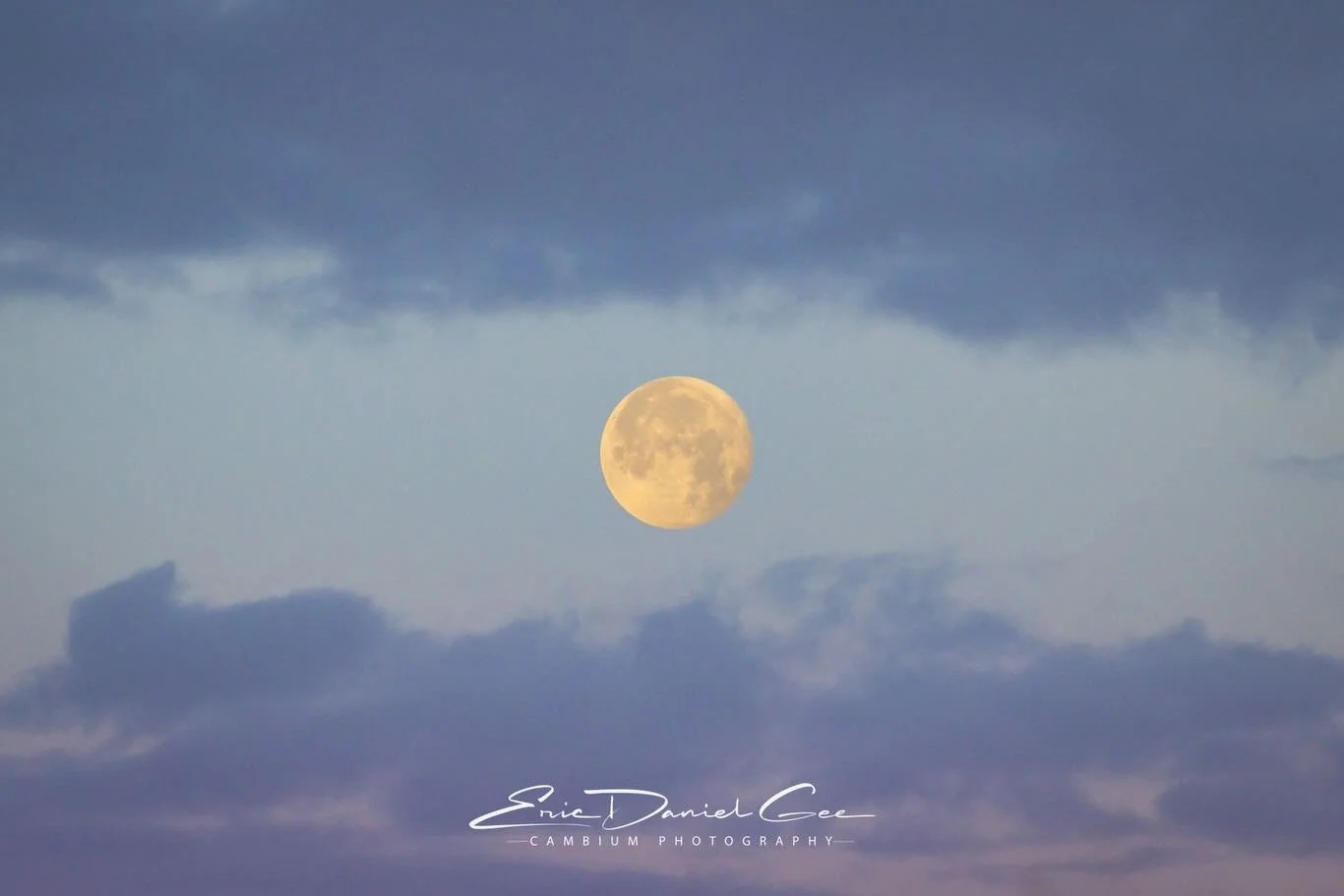
The emotional connection to his work isn't always the same. Sometimes it's instantaneous. He knows in the moment, camera still raised, that what he just captured is spectacular. Other times the feeling takes longer to surface. He'll return to an image days or weeks later and the scene develops again in his mind: what he saw, what he felt standing there, and a growing sense of gratitude for having been given the reveal at all. That delayed recognition is where the introspective and spiritual side of his work lives. It's less about the shutter click and more about sitting with what he was shown.
Technical perfection has never been his goal. Emotional truth is. A photograph succeeds when it makes someone feel what he felt standing there, not when it passes a sharpness test.
His work has taken him to the coast of Alaska for brown bears, to the frozen backcountry of Yellowstone for wolves and bison, to backyard ponds in Louisiana for herons and egrets, and to the open sky for birds in flight. Wherever he points his camera, he is looking for the same thing: a true moment, honestly seen and carefully kept.
Eric is an Auburn University alumnus. He has called Louisiana home for more than 29 years and lives in Covington.